

Wearable Medical Devices: The Future of Healthcare
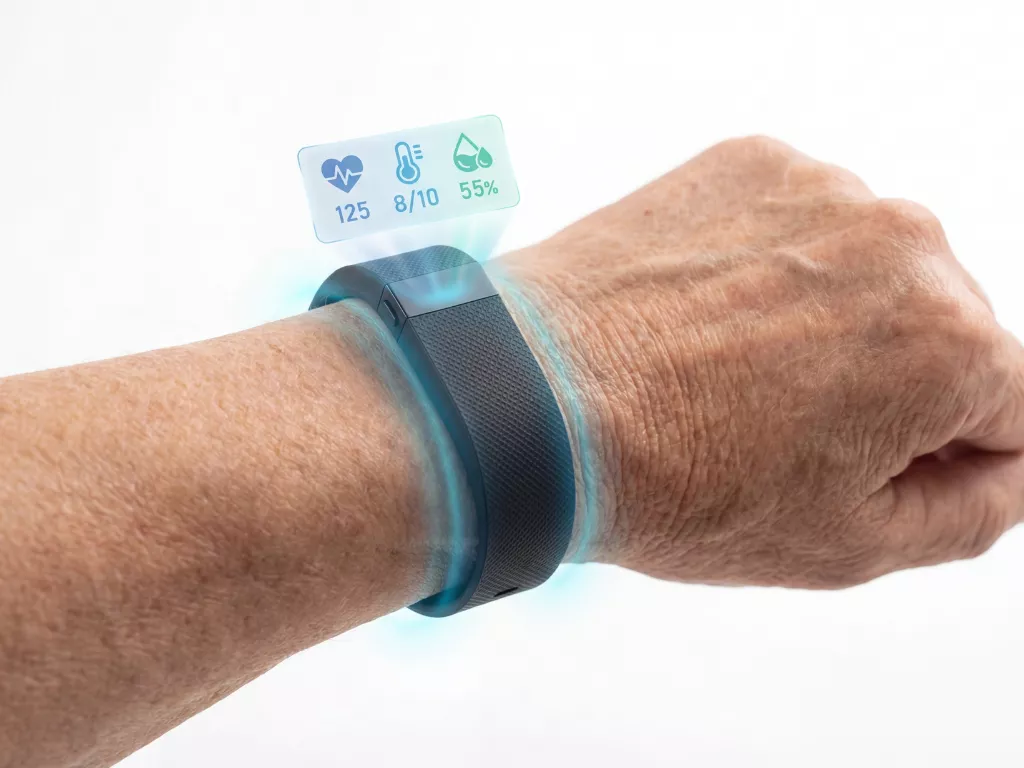
Wearable medical devices have become an integral part of our lives. These innovative technologies, ranging from simple fitness trackers to sophisticated health monitors, are revolutionizing healthcare by empowering individuals to take control of their well-being.

How Wearable Medical Devices Work?
Wearable medical devices are equipped with sensors that continuously collect data about the wearer's vital signs, physical activity, and other health metrics. This data is then transmitted to a smartphone or other connected device for analysis and interpretation. Some devices provide real-time feedback, while others store information for later review by healthcare professionals.
Types of Wearable Medical Devices
The variety of wearable medical devices available is vast, catering to different health needs and preferences. Here are some common examples:
- Fitness trackers: These devices monitor physical activity, heart rate, sleep patterns, and calorie consumption. They are popular for weight management and general wellness.
- Smartwatches: While primarily known for their smart features, many smartwatches also incorporate health monitoring capabilities, such as heart rate tracking, blood pressure monitoring, and ECG functionality.
- Continuous glucose monitors (CGMs): These devices are essential for people with diabetes, providing real-time glucose readings without the need for finger pricks.
- Wearable ECG monitors: These devices can detect irregular heart rhythms and other cardiac issues, enabling early intervention and prevention of heart attacks.
- Smart rings: These discreet devices offer a range of health monitoring features, including heart rate, blood oxygen levels, and sleep tracking.
- Wearable biosensors: These advanced devices can measure various biomarkers, such as stress levels, skin temperature, and hydration, providing valuable insights into overall health.
Benefits of Wearable Medical Devices
The adoption of wearable medical devices offers numerous benefits for both individuals and the healthcare system:
- Improved health outcomes: By providing continuous monitoring and early detection of health issues, wearable devices can help prevent serious complications and improve overall health.
- Empowered patients: Wearables enable individuals to take an active role in managing their health, making informed decisions, and setting personal health goals.
- Enhanced patient-doctor relationship: The data collected by wearable devices can provide valuable insights for healthcare providers, leading to more personalized treatment plans and better patient care.
- Cost-effective healthcare: Early detection and prevention of diseases can help reduce healthcare costs in the long run.
- Remote monitoring: Wearable devices facilitate remote patient monitoring, allowing healthcare professionals to track patient progress and intervene as needed.
Challenges
While wearable medical devices hold immense promise, there are also challenges to address:
- Data confidentiality and protection: Protecting sensitive health data is essential in terms of data privacy and security. In order to stop unwanted access, strong security measures need to be implemented.
- Regulatory compliance: The development and marketing of wearable medical devices must adhere to strict regulatory guidelines to ensure safety and efficacy.
- User acceptance: Ensuring that people consistently wear and use wearable devices correctly is essential for accurate data collection and effective health management.
- Battery life: The limited battery life of many wearable devices can be inconvenient and hinder continuous monitoring.
- Data accuracy: These devices often rely on sensors to monitor vital signs, and inaccuracies can arise due to external factors like body movement, environmental conditions, or sensor placement. Such errors can lead to incorrect readings, which could compromise patient monitoring and diagnosis. Improving the accuracy of wearable medical devices is a key area of research, especially when they are used for critical health monitoring applications like managing chronic diseases or diagnosing conditions.
The Future of Wearable Medical Devices
The field of wearable medical devices is rapidly evolving, with exciting advancements on the horizon. We can expect to see smaller, more comfortable devices with expanded capabilities. Integration with artificial intelligence will enable more sophisticated data analysis and personalized recommendations. Furthermore, wearable technology will become more crucial for managing chronic illnesses, keeping an eye on mental health, and providing remote patient care.
Medical Wearables Trends
- Artificial Intelligence: Enhances data analysis, enabling accurate health monitoring and predictive insights.
- Telemedicine Integration: Facilitates remote patient monitoring and virtual consultations, bridging gaps in healthcare access.
- Sleep Management Devices: Tracks sleep patterns and offers actionable insights to improve sleep quality and overall well-being.
- Hearables: Advanced hearing aids and smart earbuds provide hearing assistance, health monitoring, and seamless connectivity.
- Smart Eyewear: Augments vision offers real-time data, and aids in rehabilitation or accessibility solutions.
- Wearable Robotics: Assists in mobility and rehabilitation, offering support for physical therapy and enhanced movement.
- Epidermal Technology: Ultra-thin, skin-like sensors for real-time monitoring of vital signs and biomarkers.
- Smart Clothing: Garments embedded with sensors to monitor physical activity, posture, and health metrics.
- Fitness Trackers: Popular devices that track activity levels, heart rate, and other fitness parameters to encourage healthier lifestyles.
- Disease Management: Monitors chronic conditions like diabetes or heart disease, providing timely alerts and management support.
As technology continues to advance, wearable medical devices have the potential to transform healthcare delivery, empowering individuals to live healthier, longer lives.
Conclusion
Wearable medical devices are transforming the landscape of healthcare, offering innovative solutions for monitoring, diagnosing, and treating a wide range of health conditions. With advancements in sensor technology, AI integration, and personalized healthcare, these devices are becoming more accurate, user-friendly, and accessible. As they continue to evolve, wearable medical devices hold the promise of improving patient outcomes, promoting proactive healthcare management, and reducing the burden on traditional healthcare systems. Their growing role in health monitoring is set to redefine the future of medical care.
How Decos Can Help Clients ?
Decos can support medical devices by offering a range of services aligned with development, regulatory, and operational needs.
- Decos excels in Software Development and Testing by offering tailored custom software development, conducting thorough verification and validation to ensure compliance, and designing intuitive user interfaces for seamless user experiences.
- Decos ensures Regulatory Compliance by providing comprehensive documentation support, aligning processes with relevant standards, and offering clinical validation support to meet regulatory requirements.
- Decos offers Integration Services by providing robust data management solutions, enabling secure cloud integration, and ensuring interoperability with existing healthcare systems for seamless functionality of medical devices.
- Decos provides comprehensive Maintenance and Support services, including implementing corrective and preventive actions (CAPA) and delivering regular software updates to ensure optimal performance and compliance of medical devices.
- Decos ensures effective Risk Management by conducting thorough risk assessments and maintaining robust traceability management to mitigate potential issues and ensure compliance throughout the software lifecycle.
- Decos offers Training and Consultation services by providing specialized staff training and expert consultation to enhance competency and ensure compliance with regulatory and operational requirements for medical devices.

This blog is authored by Pradnya Nare, a Systems Engineer specializing in Systems Engineering at Decos. With extensive expertise in medical devices and regulatory compliance, she has a proven track record in developing and updating technical documents for medical devices.
Decos is a cutting-edge technology services partner ready to meet your diverse needs across various industries, including the medical domain. If you have a question about one of our projects or would like advice on your project or a POC, contact Devesh Agarwal. We’d love to get in touch with you!
Discover more
Risk and Security Assessment for Wearable Medical Devices

The Future of Labelling: AI and Automation in Regulatory Compliance
