

Risk and Security Assessment for Wearable Medical Devices
Wearable medical devices are transforming healthcare, but they are also expanding the risk landscape. From patient safety incidents to data breaches and regulatory exposure, even a single failure can have serious clinical and business consequences.
Wearable medical devices enable early diagnosis, continuous monitoring, and personalized treatment. Technologies such as smartwatches, continuous glucose monitors (CGMs), smart inhalers, cardiac monitors, and connected health wearables are increasingly integrated into patients’ daily lives.
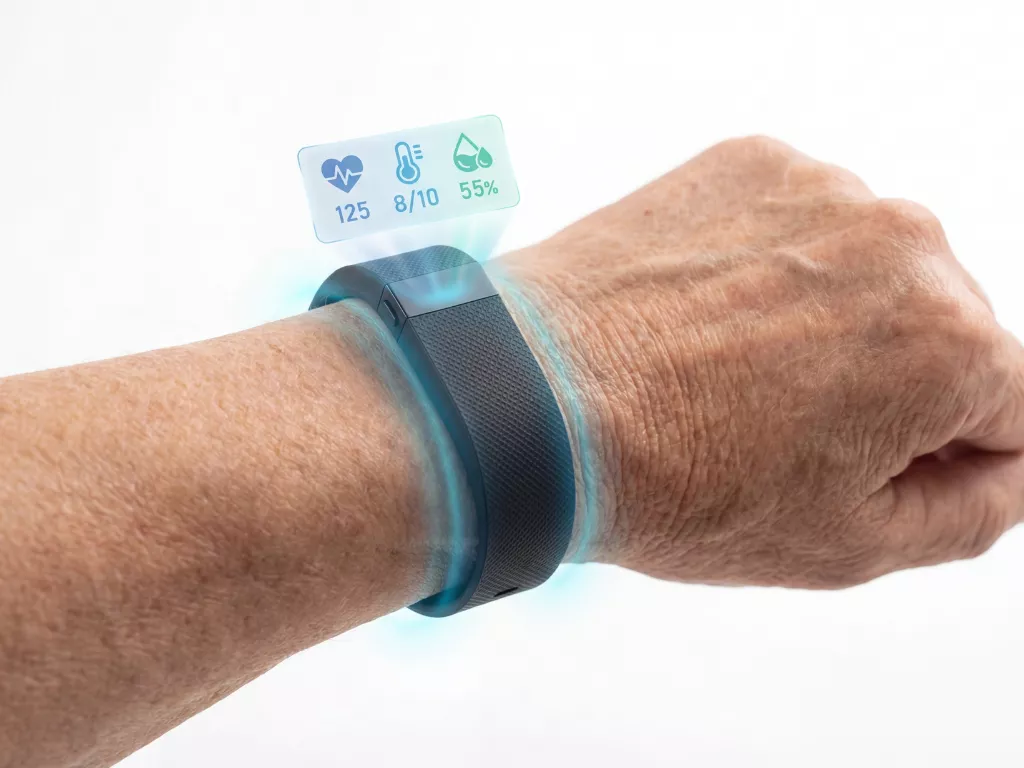
However, as these devices collect sensitive health data, connect to cloud platforms and mobile apps, influencing clinical decisions, they introduce significant risks related to patient safety, data security, data privacy, and system reliability. This makes Risk and Security Assessment not just a regulatory requirement, but a critical business and patient safety imperative. Importantly, Risk and security assessment is not a one-time activity. . It must evolve continuously across the entire product lifecycle—from design and development to post-market monitoring.
This article explores key risk categories, security considerations, and best practices for assessing and mitigating risks in wearable medical devices.
Understanding Risk in Wearable Medical Devices
Per ISO 14971, risk is defined as the combination of the probability of occurrence of harm and the severity of that harm. For wearable medical devices, risks extend beyond traditional hardware failures to include software errors, cybersecurity threats, usability issues, and data misuse.
In practice, this means organizations must
manage not only device performance but also
the broader ecosystem in which these devices operate.
Key risk domains include:

Patient Safety Risks
Wearable medical devices often operate continuously and autonomously, making safety risks particularly critical. Common safety risks include:
- Inaccurate sensor readings (e.g., false heart rate or glucose values),
- delayed or missed alerts,
- algorithm misinterpretation of physiological data,
- battery depletion during critical monitoring,
- device detachment or improper wear
These risks can directly impact clinical decisions potentially leading to misdiagnosis, delayed treatment, or patient harm.
Risk assessment and mitigation typically involve hazard analysis, Failure Modes and Effects Analysis (FMEA) for hardware and software, clinical impact assessment and Implementation of safeguards such as redundancy, alarms, and safe operating states.
Cybersecurity and Data Security Risks
Wearable devices are part of a connected ecosystem involving Bluetooth, Wi-Fi, mobile applications, APIs, and cloud servers. This connectivity expands the attack surface. Common Cybersecurity Threats include:
- unauthorized access to device or app,
- data interception during wireless transmission,
- malware or firmware tampering,
- weak authentication mechanisms,
- Insecure third-party integrations.
A single vulnerability can expose sensitive health data or disrupt device functionality leading to reputational damage, regulatory penalties, and loss of user trust.
Effective assessment includes threat modelling (e.g., STRIDE-based analysis), identification of attack vectors across device, app, and cloud layers, assessment of data-at-rest and data-in-transit protection and evaluation of access control, authentication, and authorization.

Privacy and Regulatory Compliance Risks
Wearable medical devices process Personally Identifiable Information (PII) and Protected Health Information (PHI), making privacy protection mandatory.
Key Regulatory Expectations include:
- Data minimization
- Consent, right to access and delete
- Safeguards for PHI (where applicable)
- Secure design and post-market monitoring
- Secure software development and maintenance activities
Non-compliance is not just a legal issue; it can delay product approvals, restrict market access, and significantly impact business growth.
Usability and Human Factors Risks
Wearable devices are used by diverse populations, often without clinical supervision. Poor usability can directly result in unsafe use. Common Usability Risks include
- misinterpretation of alerts or data
- complex onboarding or setup,
- poor accessibility for elderly or disabled users
- over-reliance on device data without context.
If users cannot correctly interpret or interact with the device, even a technically sound product can fail in real-world conditions.
Usability risk assessment techniques are
- Human Factors Engineering (HFE) per IEC 62366-1
- Use-related risk analysis
- Formative and summative usability testing
- Evaluation of critical tasks and user errors
Environmental and Operational Risks
Wearable devices are exposed to real-world conditions that can impact performance are
- Sweat, moisture, and temperature variations
- Mechanical stress during daily activities
- Electromagnetic interference
- Charging and power management failures
Realworld usage conditions are often unpredictable making robust environmental validation essential for reliability andsafety.
Risk controls may include environmental testing, appropriate ingress protection (IP ratings), and clear user instructions.
AI and Algorithmic Risks
Many wearable medical devices now incorporate Artificial Intelligence (AI) and Machine Learning (ML) algorithms to interpret physiological data, generate predictions, or support clinical decision-making. While these capabilities enhance personalization and performance, they introduce unique risks that must be assessed and controlled.
Common AI-related risks include:
- Bias in training data leading to inaccurate outputs for certain populations,
- Model drift over time due to changing user behaviour or environments,
- Insufficient transparency or explainability of AI-driven decision-making,
- Over-reliance on AI outputs by users or clinicians,
- Uncontrolled algorithm updates affecting safety and performance.
Without proper governance, AI can introduce hidden risks that are difficult to detect but critical to patient outcomes.
Risk mitigation includes validated training datasets, defined decision boundaries, human oversight, continuous performance monitoring, and controlled algorithm updates aligned with emerging AI regulatory frameworks.
Best Practices for Effective Risk and Security Assessment
- Integrate risk management, cybersecurity, and usability into a unified framework
- Maintain clear traceability between hazards, risks, controls, and verification
- Involve cross-functional teams (engineering, clinical, QA/RA, UX)
- Continuously reassess risks as software updates and new threats emerge
- Incorporate user feedback, real-world usage patterns, and post-market data into ongoing risk assessment and control effectiveness evaluation
- Document everything for regulatory audits and inspections
- Establish lifecycle governance for AI models, including validation, monitoring, and controlled updates
Organizations that adopt a proactive, lifecycle-driven approach to risk and security management are better positioned to reduce risk, accelerate approvals, and build long-term trust with users and regulators.
CONCLUSION
Wearable medical devices deliver significant clinical and patient benefits, yet they also introduce complex risks arising from continuous use, system connectivity, and their influence on clinical decision-making.
The real challenge is not innovation it is ensuring that innovation remains safe, secure, and reliable at scale.
A comprehensive Risk and Security Assessment is essential not only for meeting regulatory requirements, but also for safeguarding patient safety, protecting data integrity, and maintaining user confidence. As AI-enabled capabilities become increasingly embedded in wearable technologies, effective governance of algorithmic risks is critical to ensuring safe, transparent, and reliable clinical performance.
HOW WE CAN HELP
At Decos HealthTech, we go beyond compliance; we help you build secure, reliable, and future-ready wearable medical devices.
With expertise in risk management, cybersecurity, and usability engineering, we support the development of wearable medical devices designed for safe and secure real-world use. Our tailored risk and security assessment services address clinical, technical, and regulatory requirements across the product lifecycle, integrating secure-by-design and user-centered principles to deliver compliant, robust, and trustworthy medical solutions. We help you
- Identify vulnerabilities early in the development lifecycle
- Align with global regulatory requirements
- Strengthen cybersecurity across device, app, and cloud ecosystems
- Ensure usability and patient safety in real-world conditions
Want to understand your device’s risk exposure? Let’s talk.

This blogpost is written by Deepareddy G, Sr. Systems Engineer (Human Factors) at Decos. She is an expert in Systems, Human Factors, RA&QA and comes with wealth of experience in medical device regulations, R&D, Usability/ Human Factors.
Decos is a cutting-edge technology services partner ready to meet your diverse needs across various industries, including the medical domain. If you have a question about one of our projects or would like advice on your project or a POC, contact Devesh Agarwal. We’d love to get in touch with you!
Discover more

The Future of Labelling: AI and Automation in Regulatory Compliance
